Navigating the FDA Peptide Landscape in 2026
HHS Secretary RFK Jr. signaled major peptide regulation changes on the Joe Rogan Experience. Here's what he actually said, what's verified, and what it means for patients and providers.
A social media firestorm erupted in late February 2026 after HHS Secretary Robert F. Kennedy Jr. appeared on The Joe Rogan Experience (#2461) and made pointed remarks about the FDA's regulation of peptide therapies. LinkedIn posts, Reddit threads, and wellness forums quickly claimed that "14 peptides are being moved from Category 2 back to Category 1" — implying they would soon be legally prescribable through compounding pharmacies again.
The reality is more nuanced. Here is what Secretary Kennedy actually said, what the regulatory record shows, and what it means for providers and patients navigating the peptide landscape today.
What RFK Jr. Actually Said
On the February 27, 2026 episode of The Joe Rogan Experience, Joe Rogan asked directly: "Where are we at right now on peptides and getting them regulated and making sure it's not this weird gray area?"
Secretary Kennedy responded with several specific claims:
"There were 19 peptides that were widely formulated by compounding pharmacies. During the Biden administration, they illegally moved those to category two, which says do not formulate. It was illegal because they're not supposed to do that unless there's a safety signal. And they didn't have a safety signal."
"I'm very anxious to move — probably not all of those peptides, some of them are in litigation — but about 14 of them back to making them more accessible. And FDA is in the middle of — I think within a couple of weeks we will have announced some kind of new action."
He also described the unintended consequence of the restrictions:
"There was huge demand for peptides. And so a black market came out. And the black market is run by companies that say that they're making the peptides for animal use or for research purposes. [...] With the gray market, you have no idea. And a lot of this stuff that we've looked at is very, very substandard."
Rogan agreed, noting: "We created the black market. Which we do with everything."
Fact Check: What Is Verified vs. What Is Not
It is important to separate what Secretary Kennedy said from what has actually been enacted as regulatory policy. As of the date of this article, no official FDA or HHS press release has confirmed a reclassification of peptides.
| Claim | Status | Detail |
|---|---|---|
| RFK Jr. said he wants peptides moved back | Verified | Direct quotes from the Joe Rogan transcript confirm this. |
| He suggested ~14 peptides may be reclassified | Verified | He said "about 14 of them" — some are in litigation and excluded. |
| FDA action expected 'within a couple of weeks' | Unverified | This was an expression of intent, not an official timeline. No Federal Register notice has been published. |
| Category 2 move was 'illegal' | Unverified | A political characterization. No court has ruled the FDA's action illegal. The FDA has broad statutory authority under 503A. |
| 14 peptides are now legal to prescribe again | False (as of now) | No official reclassification has occurred. Category 2 restrictions remain in effect. |
Regulatory Background: How Peptide Compounding Works
Under Section 503A of the Federal Food, Drug, and Cosmetic Act, the FDA maintains a Bulk Drug Substance list that determines whether a compound can be legally compounded for therapeutic use by licensed pharmacies.
Category 1
The substance meets safety criteria and can be legally compounded by 503A pharmacies with a valid prescription. Examples that remain in Category 1 include NAD+ and Vasoactive Intestinal Peptide (VIP).
Category 2
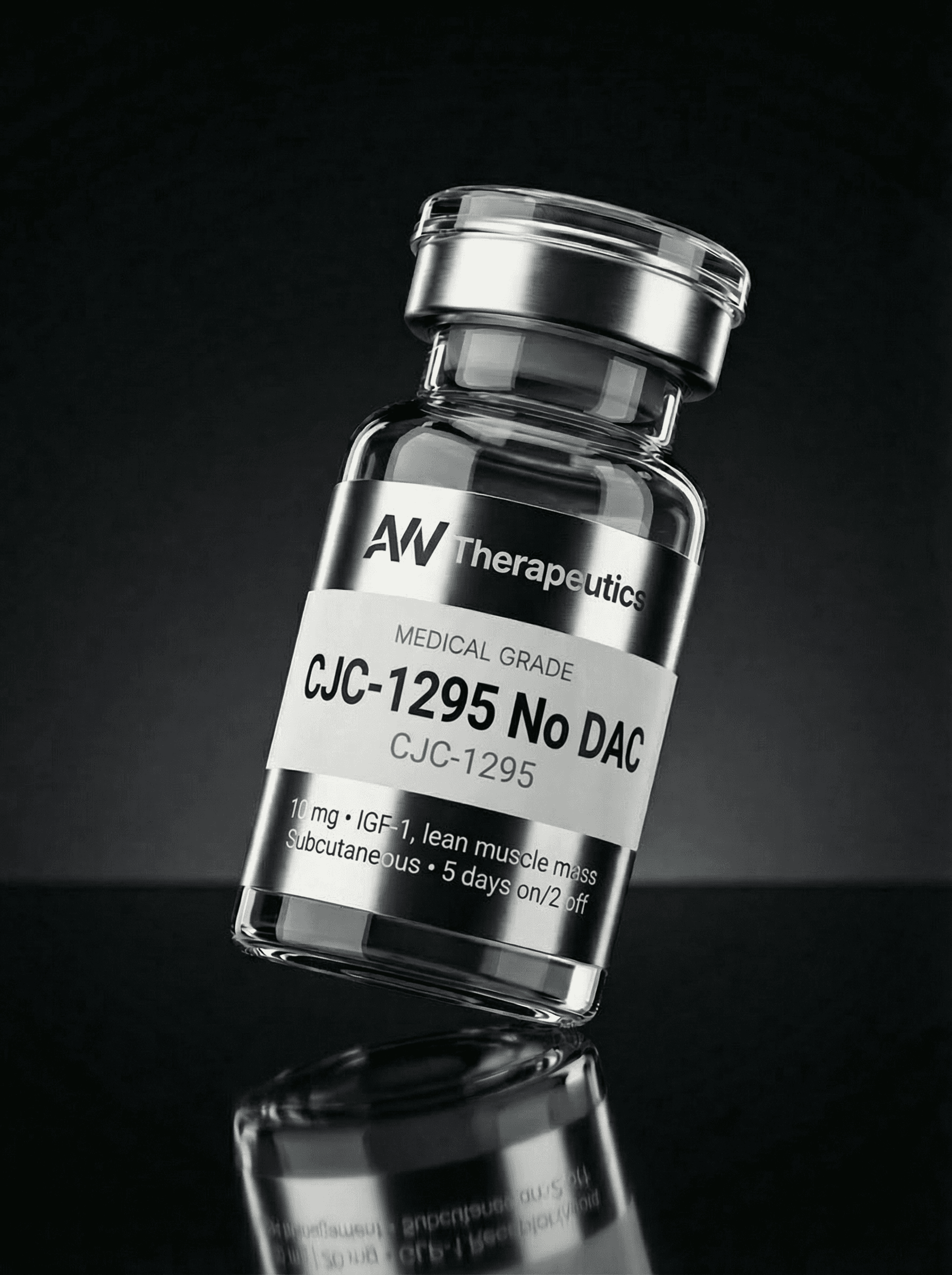
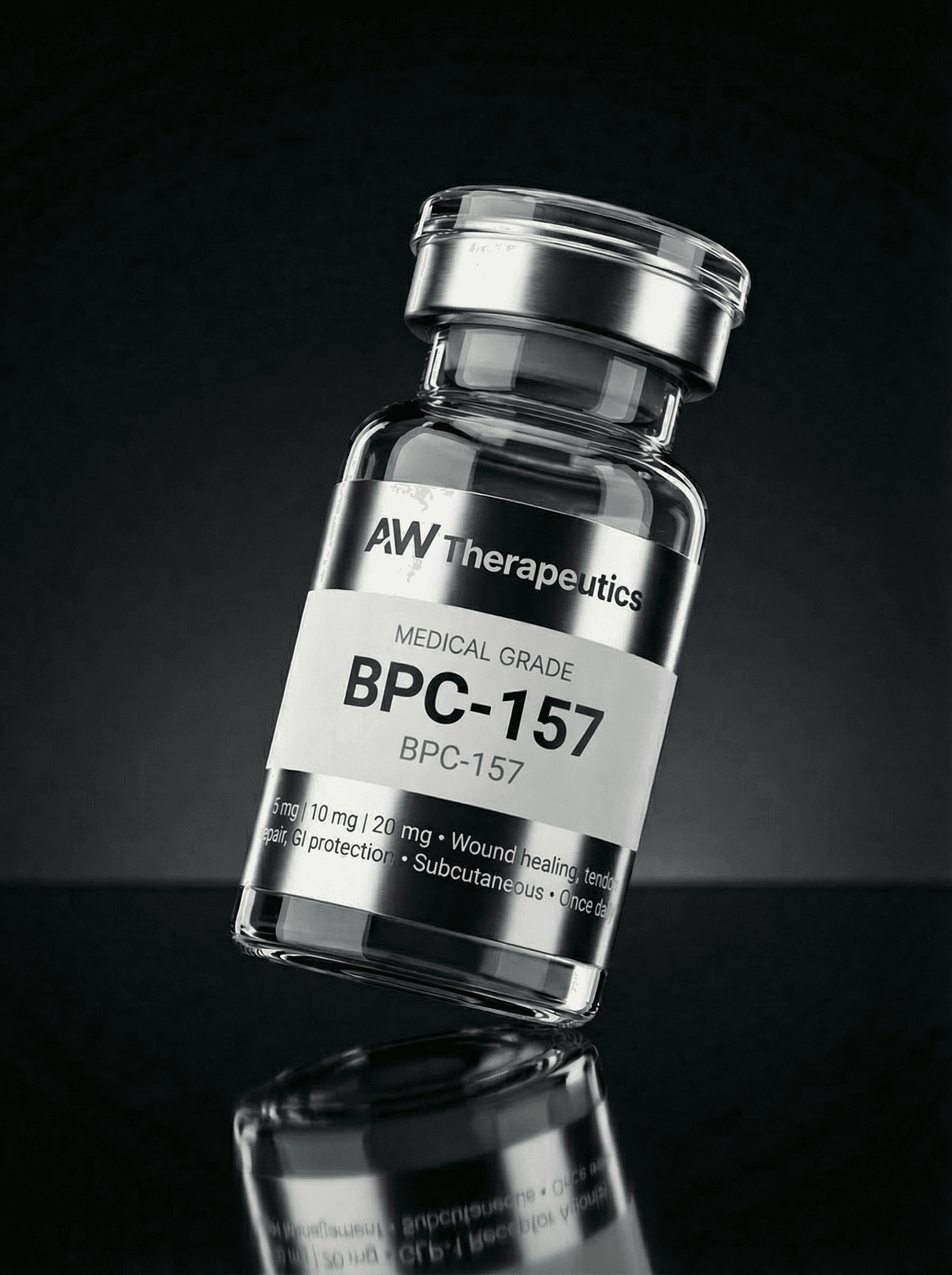
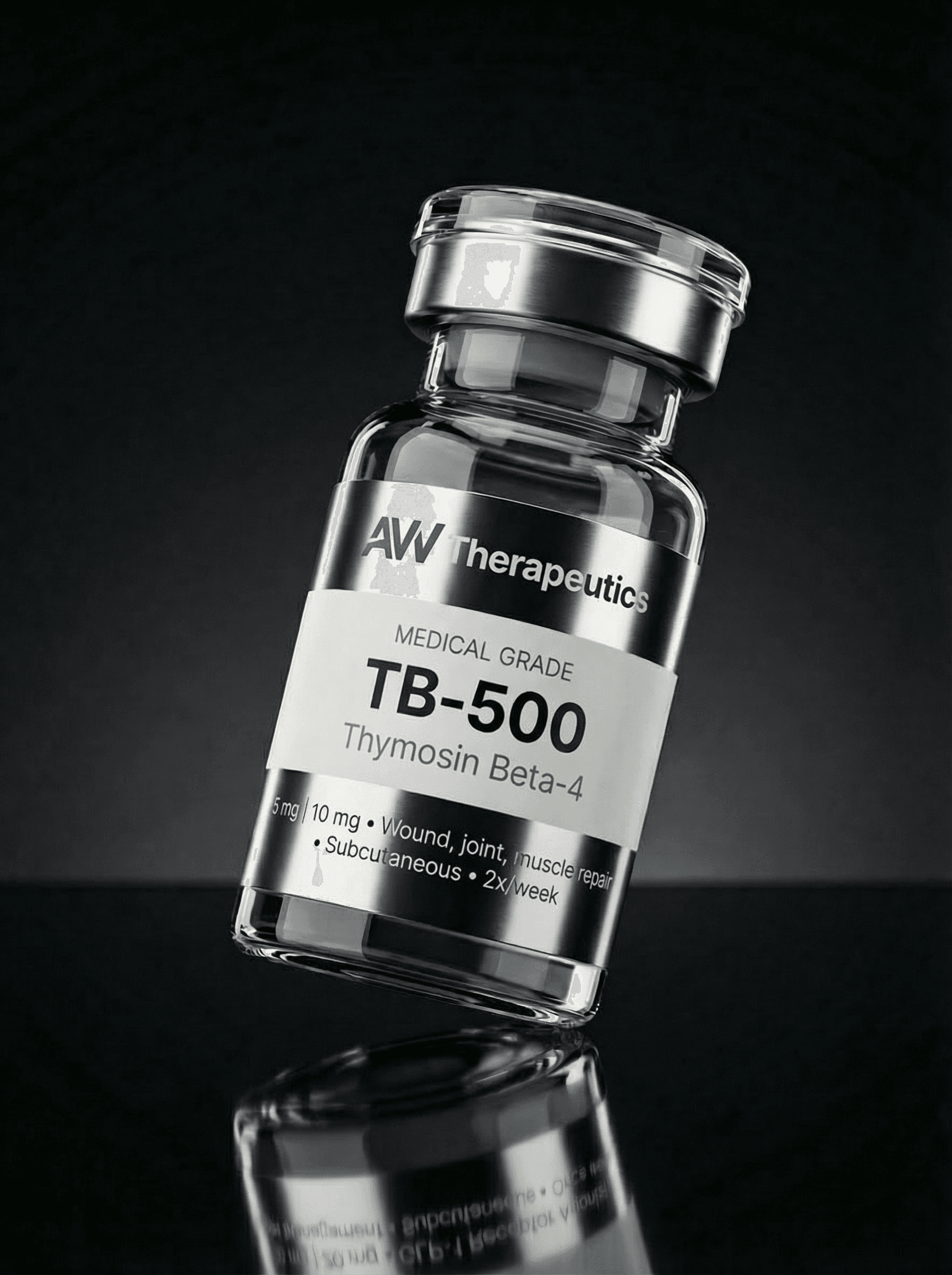
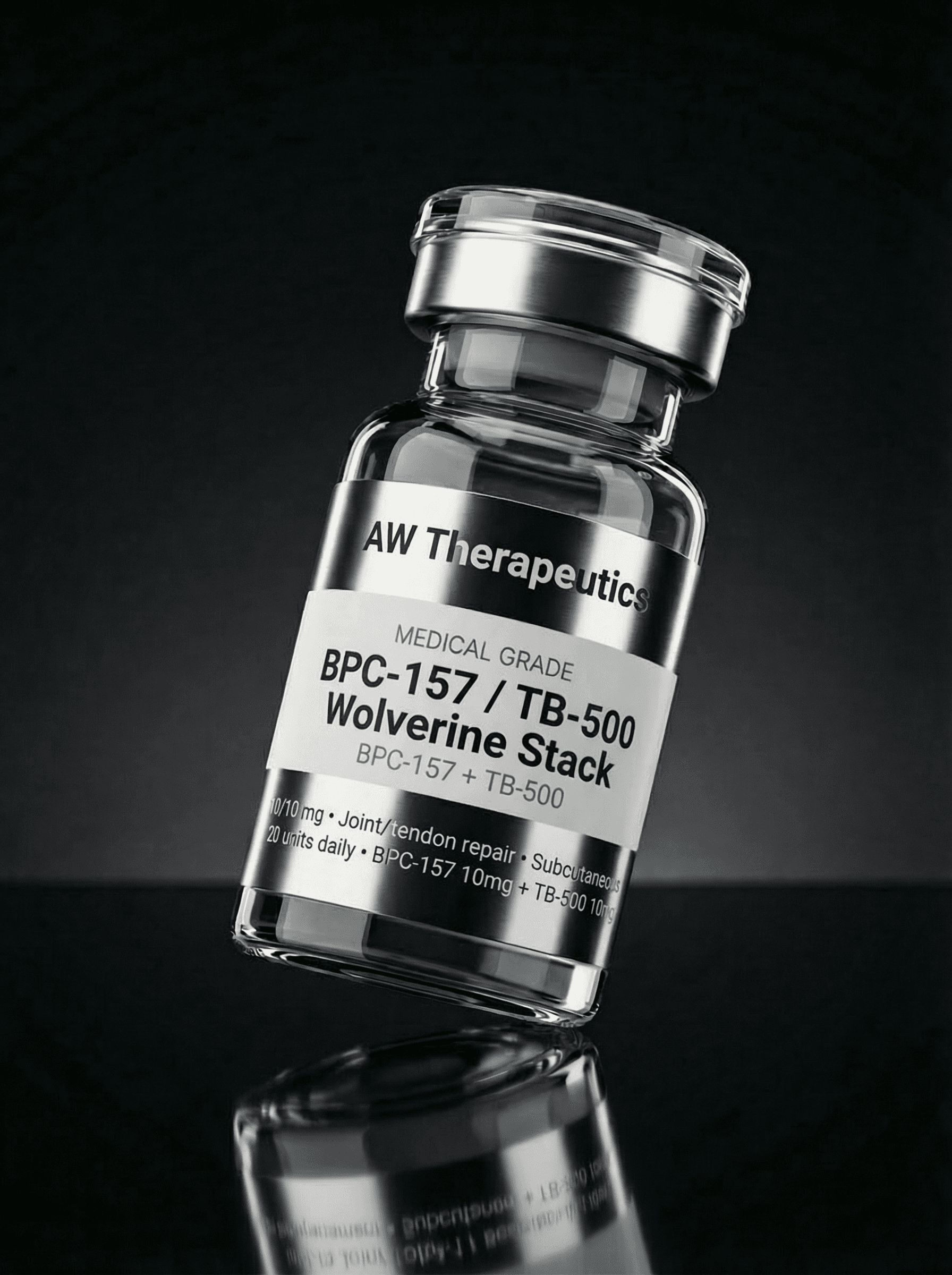
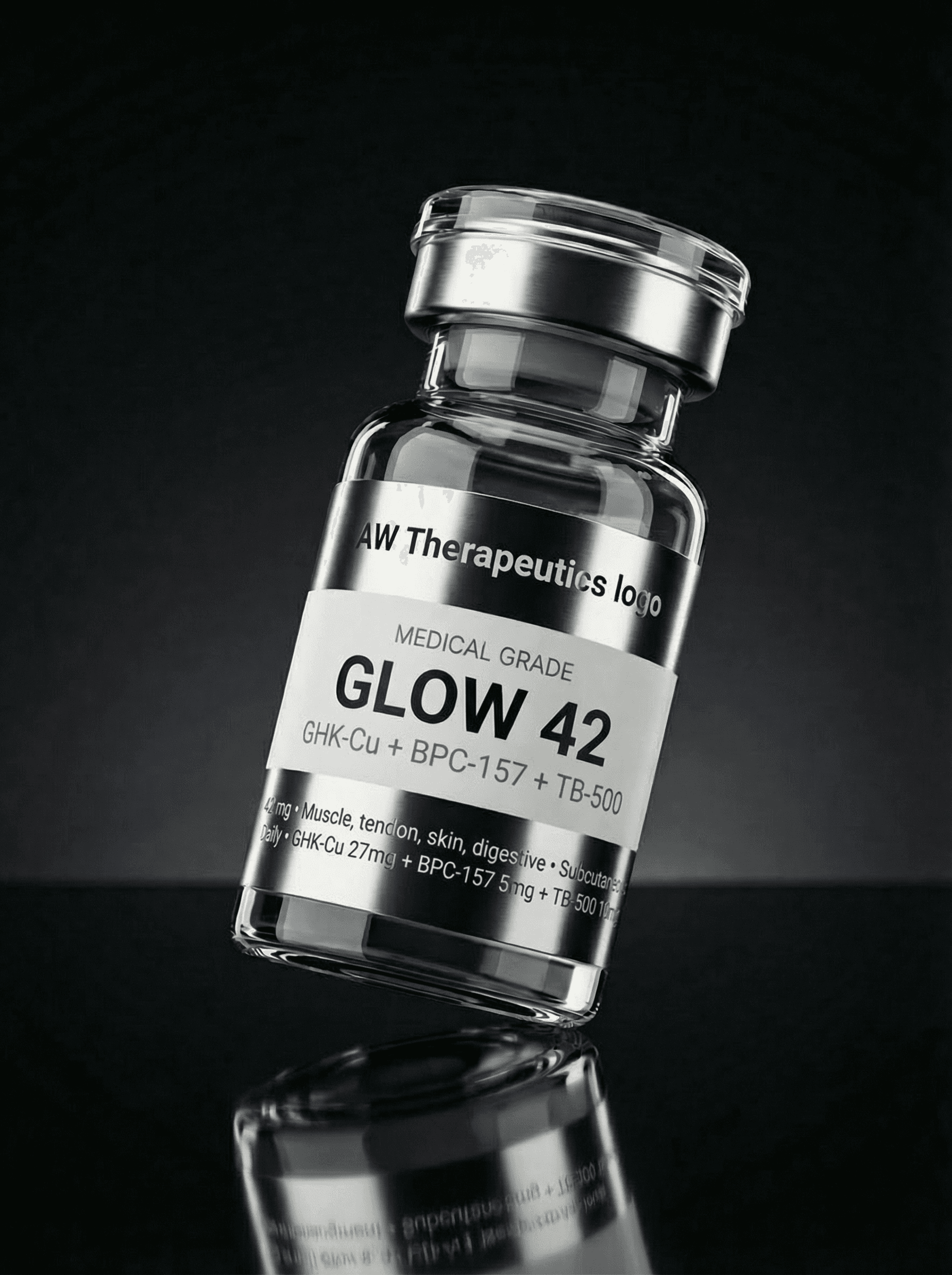
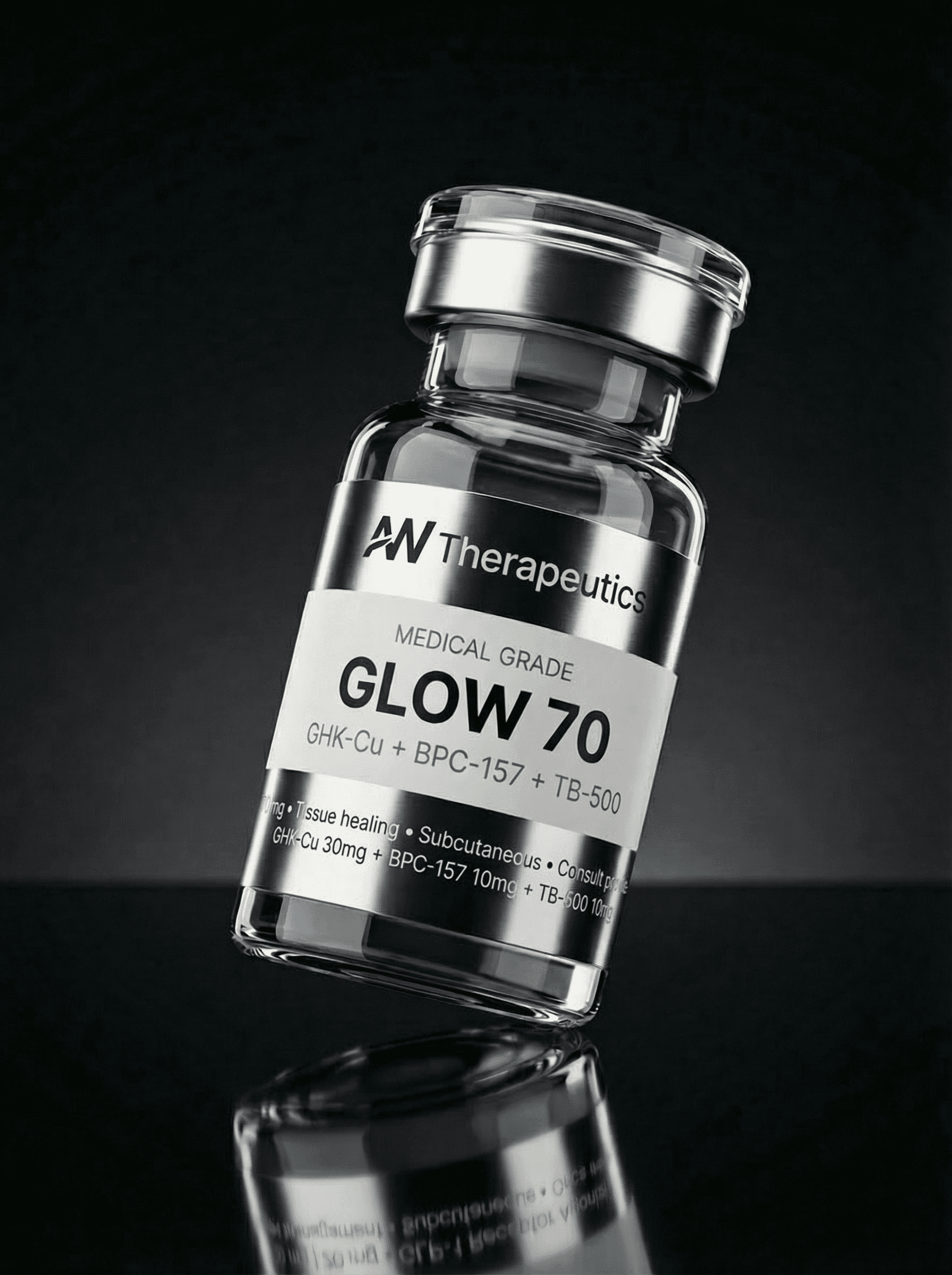
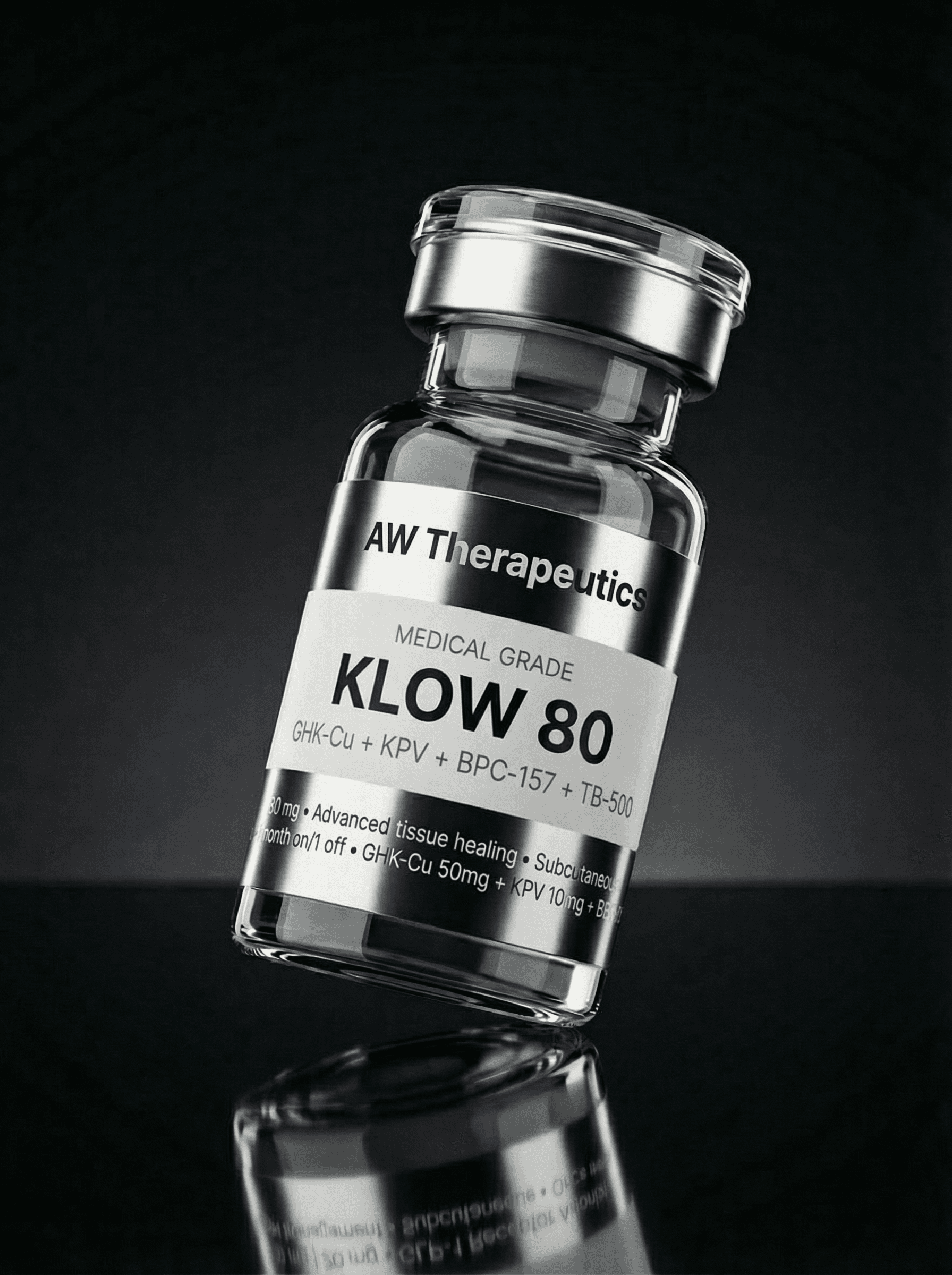
The FDA has determined there is insufficient safety data or potential risk. These substances cannot be compounded for human use. Many popular peptides were placed here in late 2023 and 2024, including BPC-157, CJC-1295, Ipamorelin, AOD-9604, Thymosin Alpha-1, TB-500, and MOTS-c.
Research-Only Compounds
Peptides sold as "for research purposes only" remain legal to acquire but cannot be marketed or administered as therapies for human use.
Secretary Kennedy's assertion that the Biden-era FDA moved peptides to Category 2 "illegally" reflects his interpretation that the agency lacked a safety signal to justify the restriction. Under the statute, the FDA evaluates safety, need, regulatory status, and public health concerns — it is not limited exclusively to safety signals. Whether the action exceeded the agency's authority is a matter of ongoing legal and political debate, not settled law.
The Black Market Problem
On this point, Secretary Kennedy's analysis aligns with what providers, patients, and industry observers have witnessed firsthand. When the FDA restricted compounding of popular peptides, demand did not disappear — it shifted to unregulated channels.
- "Research use only" vendors proliferated online, marketing directly to consumers
- Overseas suppliers with no FDA oversight entered the market
- Quality control became unreliable — purity, potency, and sterility were no longer guaranteed
- Patients were left choosing between no access and unverified products
As Kennedy put it: "We created the black market." The compounding pharmacies that previously produced these peptides sourced their ingredients from FDA-inspected facilities. The gray market that replaced them offers no such assurances.
What This Means for Patients and Providers
We are currently in a regulatory transition window. The HHS Secretary has publicly signaled a desire to make peptides more accessible through legitimate compounding channels. But signals are not policy, and hope is not enacted law.
Until an official action is published, the practical reality remains:
- Category 2 peptides cannot legally be compounded for patient use
- Category 1 peptides (including NAD+) remain available through licensed compounding pharmacies
- FDA-approved peptide drugs remain available with a valid prescription
- Research-only peptides are legal to purchase but not to administer as therapy
If the FDA does reclassify some or all of the 14 peptides Kennedy referenced, compounding pharmacies would once again be able to legally produce them. This could restore access through quality-controlled, pharmacy-grade channels — the outcome Kennedy explicitly advocated for.
AW Therapeutics' Position
At AW Therapeutics, our approach is built on three principles:
Compliance First
We operate strictly within FDA and state regulatory guidelines. Every product in our catalog is sourced from licensed, inspected pharmacies.
Physician-Guided
Every order undergoes physician review before fulfillment. No exceptions, no shortcuts.
Regulatory Awareness
Our team actively monitors FDA and HHS announcements. When the landscape changes, we adapt — responsibly.
We will not market or sell peptides that are not currently authorized for compounding. If and when FDA policy changes, we will update our catalog accordingly and communicate those changes transparently.
What to Watch For
Secretary Kennedy's remarks suggest that an announcement could come within weeks. The indicators that a real policy change has occurred would include:
- A Federal Register notice updating the Bulk Drug Substance list
- An official FDA.gov or HHS.gov press release
- Updated guidance from the FDA Center for Drug Evaluation and Research (CDER)
- Communication from state pharmacy boards to compounding pharmacies
Until one or more of these occurs, statements made in interviews — even by the HHS Secretary — should be understood as policy direction, not regulatory action.
Sources
- The Joe Rogan Experience #2461 — Robert F. Kennedy, Jr. (Spotify)
- Full Episode Transcript (The Singju Post)
- FDA Bulk Drug Substance List — Section 503A, Federal Food, Drug, and Cosmetic Act
Disclaimer
This article is for informational purposes only and does not constitute medical or legal advice. Regulatory information is current as of February 28, 2026. The peptide regulatory landscape is evolving; consult official FDA and HHS sources for the latest guidance. All therapeutic decisions should be made in consultation with a licensed healthcare provider.
Interested in peptide therapies that are currently available through compliant channels?
Browse Our Catalog →