Understanding Your Blood Biomarkers: What 100+ Markers Reveal
A category-by-category guide to what your biomarkers actually measure, why they matter, and how they connect to build a complete health picture.
When you receive lab results, you see a list of numbers next to reference ranges. Most of us glance at the bolded out-of-range values, feel relieved (or worried), and move on. But those numbers are not arbitrary — each one is a window into a specific physiological process. Understanding what your biomarkers measure, why they matter, and how they connect to each other transforms a confusing lab printout into a meaningful health narrative.
What Is a Biomarker?
A biomarker is any measurable indicator of a biological state. In the context of blood testing, biomarkers are molecules, proteins, hormones, enzymes, cells, or metabolites circulating in your bloodstream that reflect how your body's systems are functioning.
Some biomarkers are direct measurements — like serum iron, which tells you exactly how much iron is in your blood. Others are indirect indicators — like HbA1c, which reflects your average blood glucose over the past 90 days by measuring how much hemoglobin has been glycated (coated with sugar). Both types are clinically valuable; the key is knowing what each one is actually telling you.
The Major Biomarker Categories
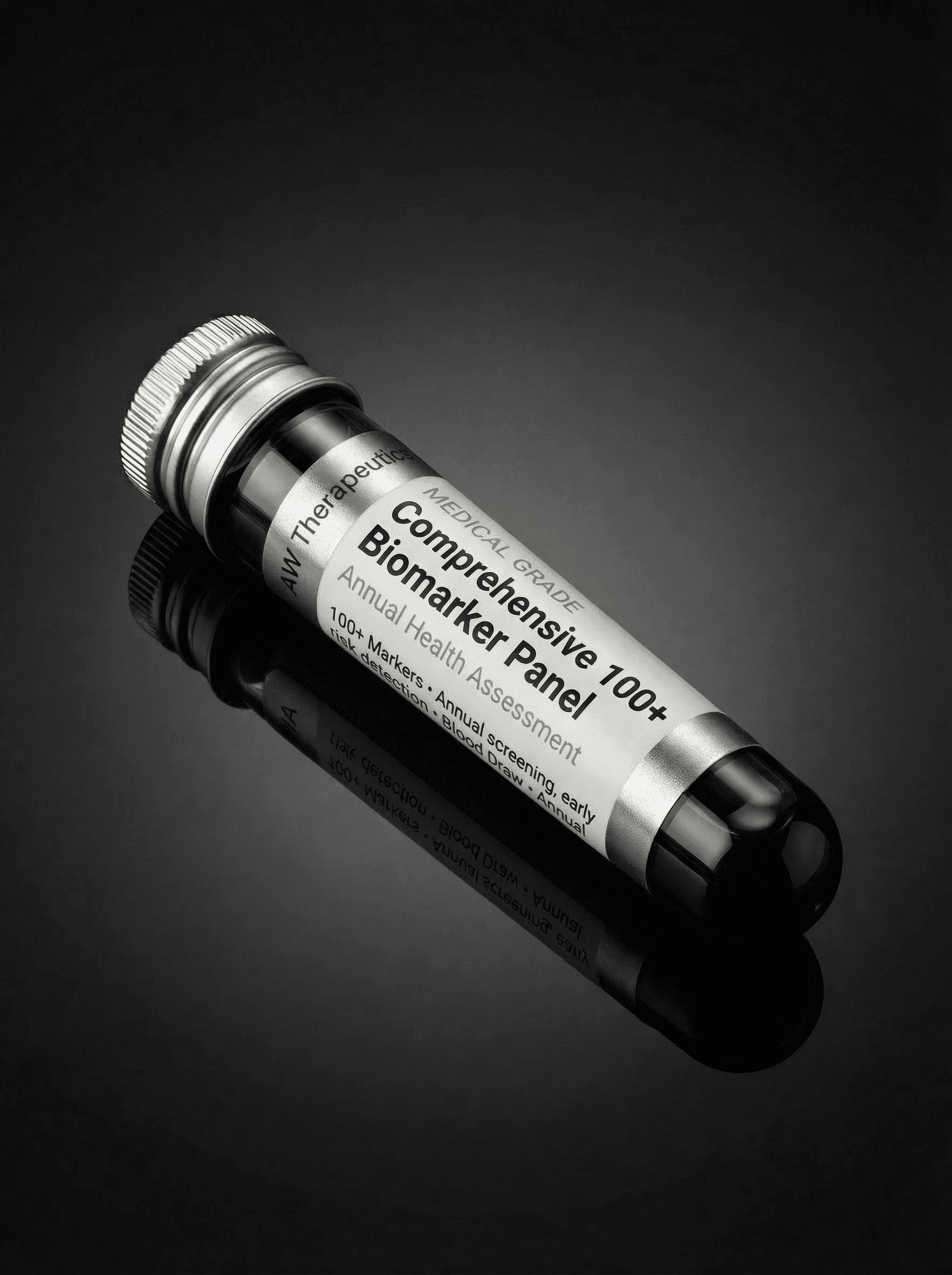
A comprehensive 100+ biomarker panel spans multiple physiological systems. Here is a category-by-category breakdown of what gets measured and why it matters.
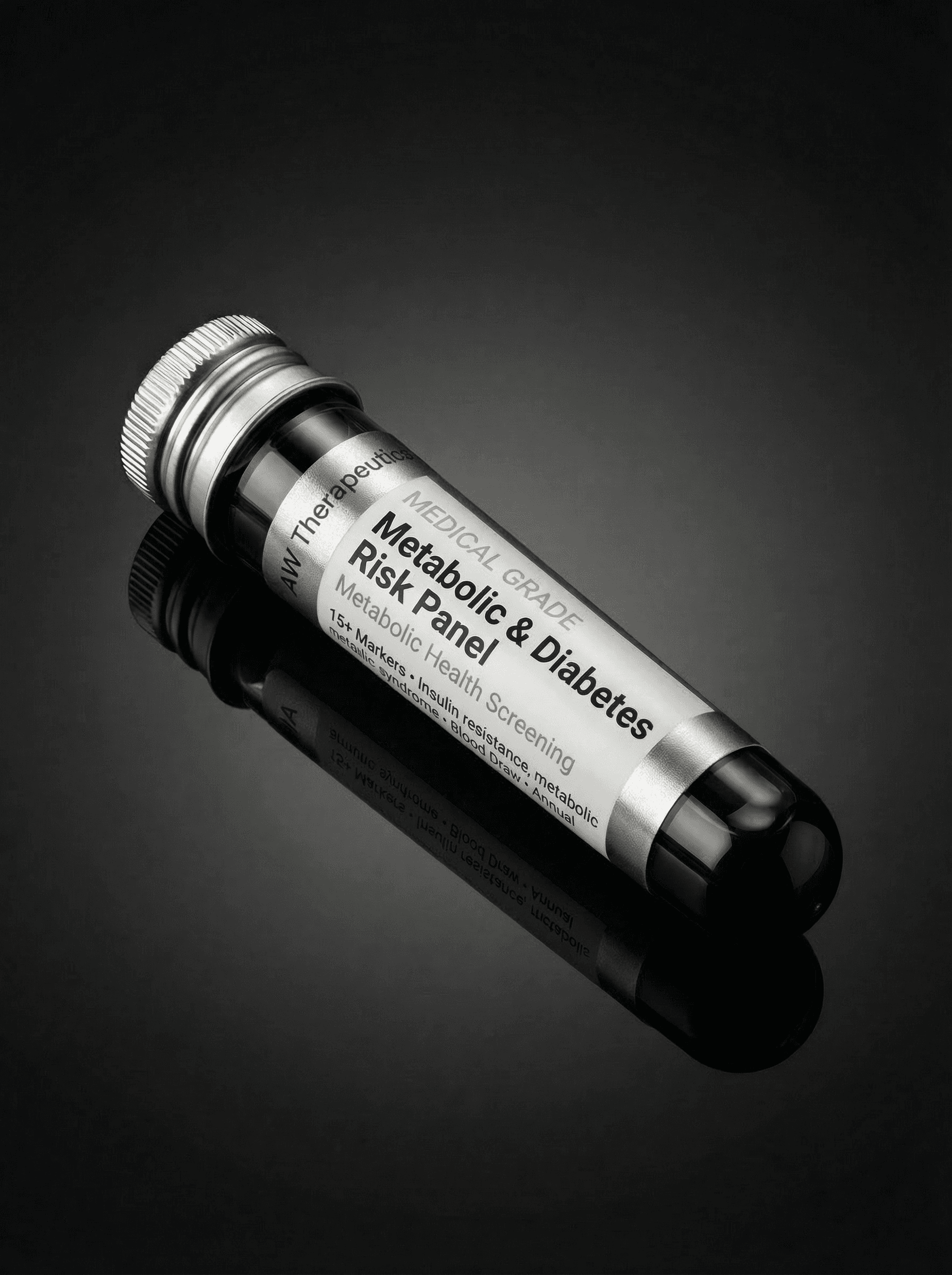
Metabolic & Glucose Regulation
- Fasting Glucose — current blood sugar level after overnight fast
- HbA1c — average glucose over 90 days; the gold standard for diabetes monitoring
- Fasting Insulin — how hard your pancreas works to maintain glucose; early insulin resistance marker
- HOMA-IR — calculated insulin resistance score combining glucose and insulin
- Adiponectin — hormone from fat cells; low levels correlate with metabolic syndrome
- Uric Acid — linked to gout, kidney stones, and emerging cardiovascular risk
Metabolic dysfunction develops silently. Fasting insulin and HOMA-IR can be abnormal 5–10 years before glucose or HbA1c cross diabetic thresholds.
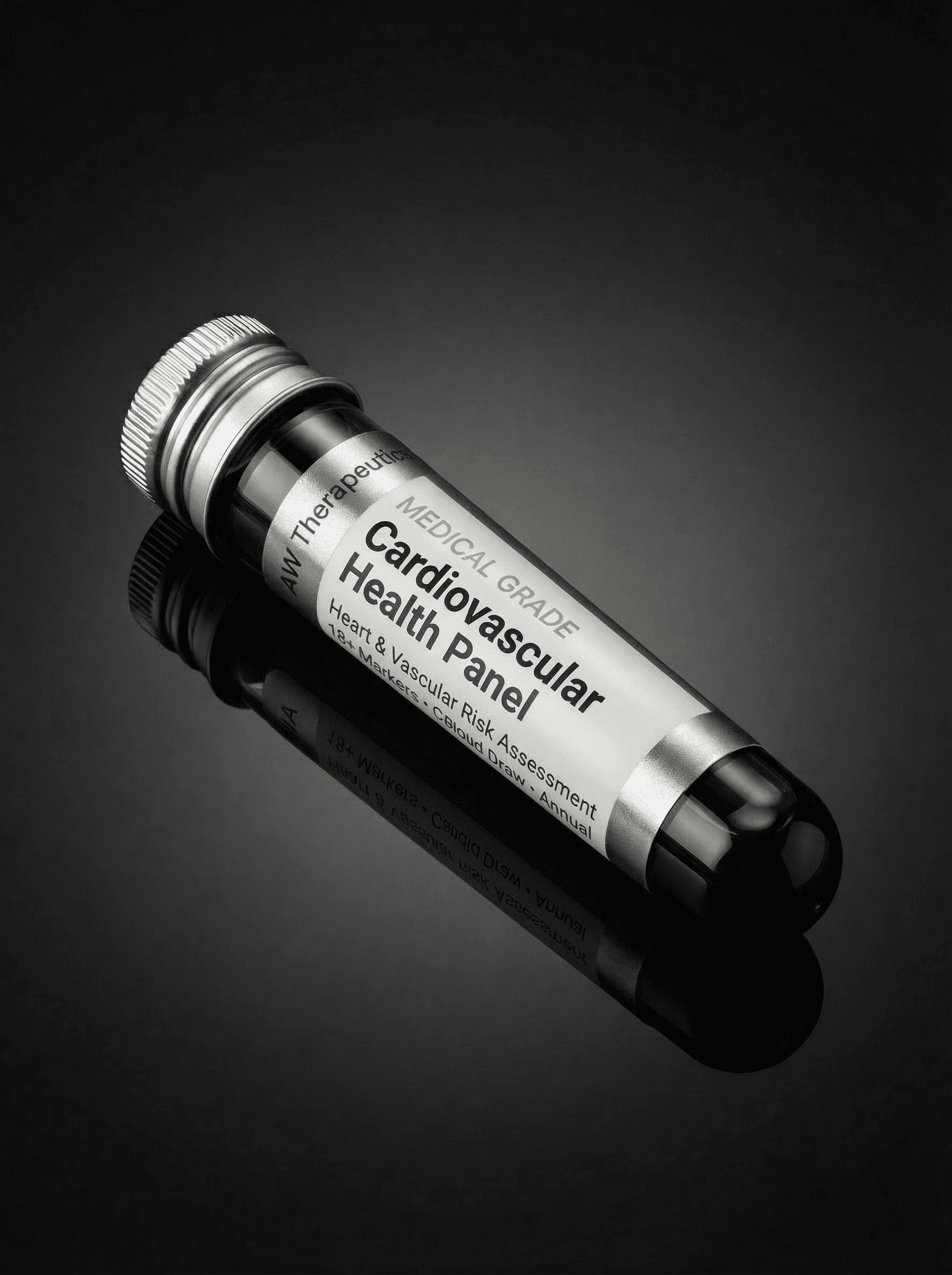
Cardiovascular & Lipid
- Total Cholesterol — overall cholesterol (limited predictive value alone)
- LDL-C — 'bad' cholesterol; standard but incomplete risk marker
- HDL-C — 'good' cholesterol; higher is generally protective
- Triglycerides — blood fats driven by carbohydrate intake and metabolic health
- ApoB — one particle per atherogenic lipoprotein; the best single predictor of cardiovascular events
- Lp(a) — genetically determined; an independent, undertested cardiovascular risk factor
- hsCRP — high-sensitivity C-reactive protein; measures vascular inflammation
- Homocysteine — amino acid linked to endothelial damage and cardiovascular risk
Up to 50% of heart attacks occur in patients with 'normal' LDL cholesterol. ApoB and Lp(a) capture the risk that standard lipid panels miss.
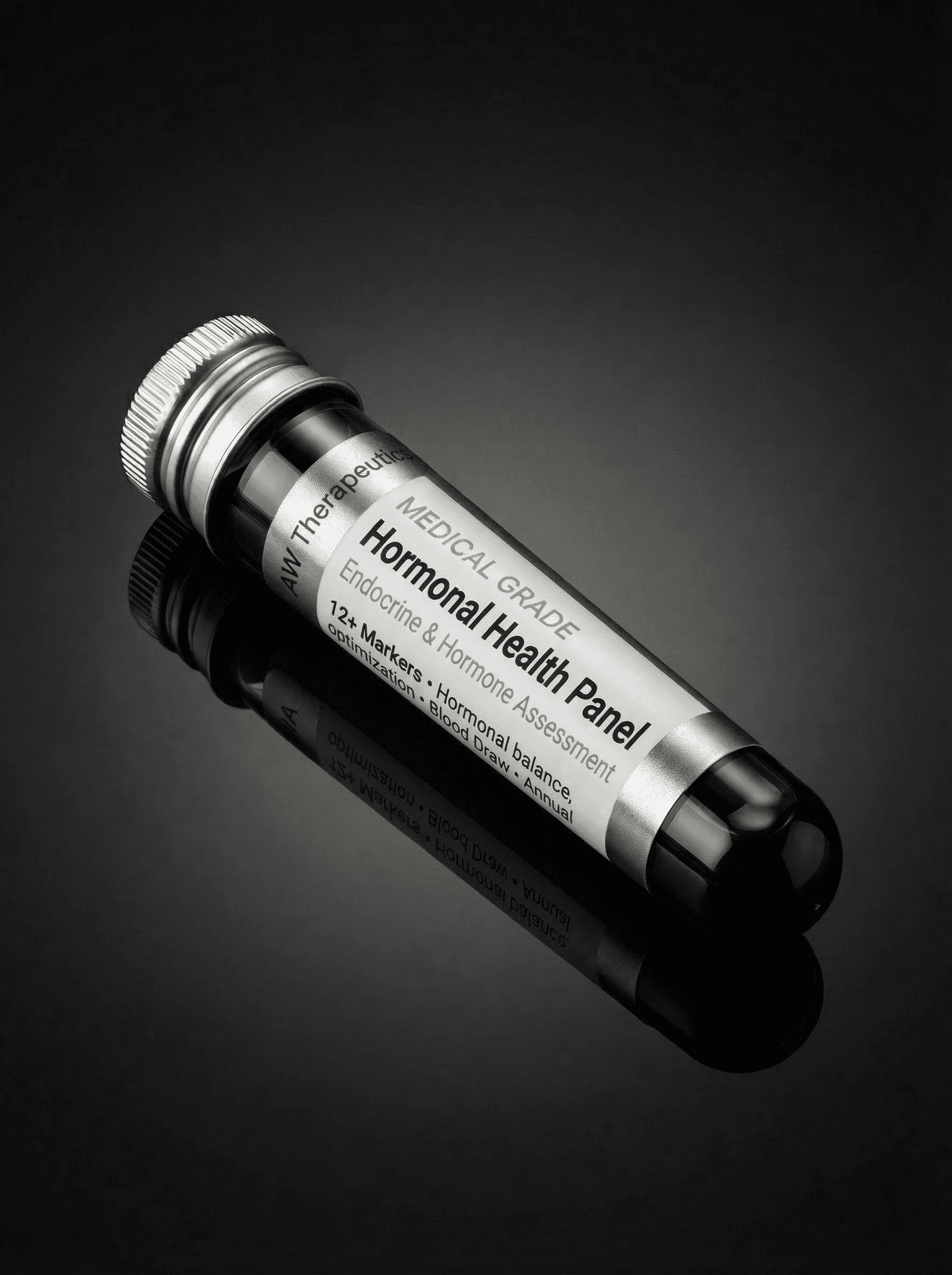
Hormonal & Endocrine
- Total Testosterone — primary androgen; regulates energy, muscle, mood, libido
- Free Testosterone — the biologically active fraction (2–3% of total)
- Estradiol (Sensitive) — primary estrogen; critical in both men and women
- DHEA-S — adrenal hormone and precursor; declines with age, marker of biological aging
- Cortisol (AM) — stress hormone; morning levels indicate HPA axis function
- SHBG — sex hormone binding globulin; determines how much hormone is bioavailable
- Progesterone, LH, FSH — reproductive hormones for fertility and cycle assessment
Hormonal decline is gradual. Without baseline measurements, both patient and provider lack the data to distinguish normal aging from treatable hormonal deficiency.
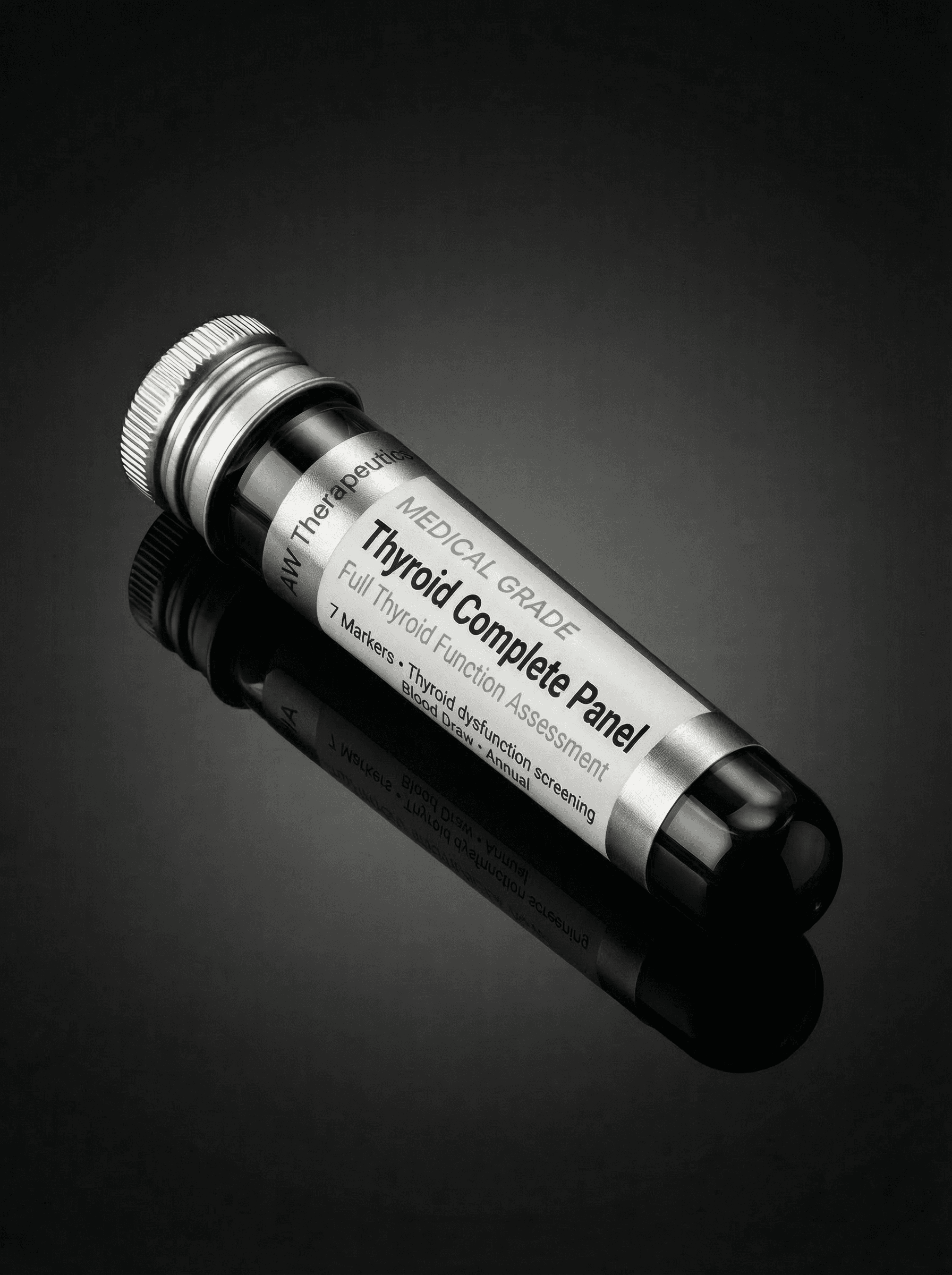
Thyroid Function
- TSH — thyroid-stimulating hormone; the standard screening test (but insufficient alone)
- Free T3 — the active thyroid hormone at the cellular level
- Free T4 — the storage form of thyroid hormone, converted to T3 peripherally
- Reverse T3 — inactive T3 that competes with Free T3; elevated in stress and illness
- TPO Antibodies — autoimmune marker for Hashimoto's thyroiditis
- Thyroglobulin Antibodies — additional autoimmune thyroid marker
A 'normal' TSH with low Free T3 and elevated Reverse T3 explains persistent fatigue, brain fog, and weight gain that standard screening misses.
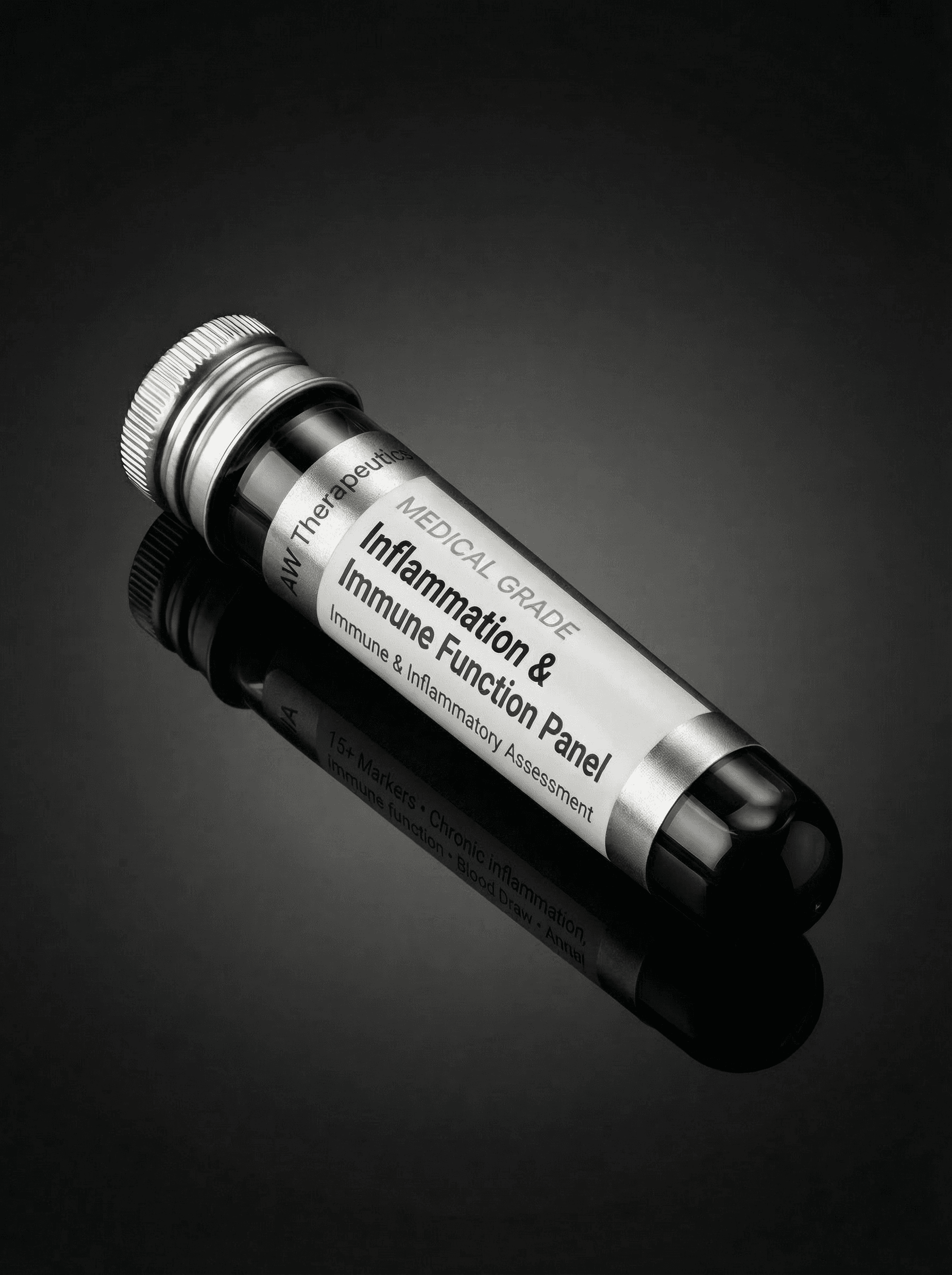
Inflammation & Immune
- hsCRP — systemic inflammation marker; elevated in cardiovascular disease, infection, autoimmunity
- ESR (Sed Rate) — nonspecific inflammation marker; useful in context with hsCRP
- Ferritin — iron storage protein and acute phase reactant; elevated in inflammation
- CBC with Differential — red cells, white cells, platelets; immune cell populations
- IgA, IgG, IgM — immunoglobulin levels reflecting immune competence
- ANA Screen — antinuclear antibody; initial screen for autoimmune conditions
Chronic low-grade inflammation is the 'silent fire' behind cardiovascular disease, neurodegeneration, and accelerated aging. These markers quantify it.
Micronutrient & Vitamin Status
- Vitamin D (25-OH) — deficient in 40%+ of adults; critical for immune, bone, and mood
- Vitamin B12 — neurological function and red blood cell production
- Methylmalonic Acid — functional B12 marker (serum B12 alone can be misleading)
- Folate — essential for DNA synthesis and methylation
- Iron Studies (serum iron, TIBC, ferritin, transferrin saturation) — complete iron picture
- RBC Magnesium — true intracellular magnesium (serum Mg is often falsely normal)
- Zinc and Copper — essential for immune function, wound healing, enzyme activity
Serum magnesium can read 'normal' while intracellular stores are critically depleted. RBC magnesium captures what serum testing misses.
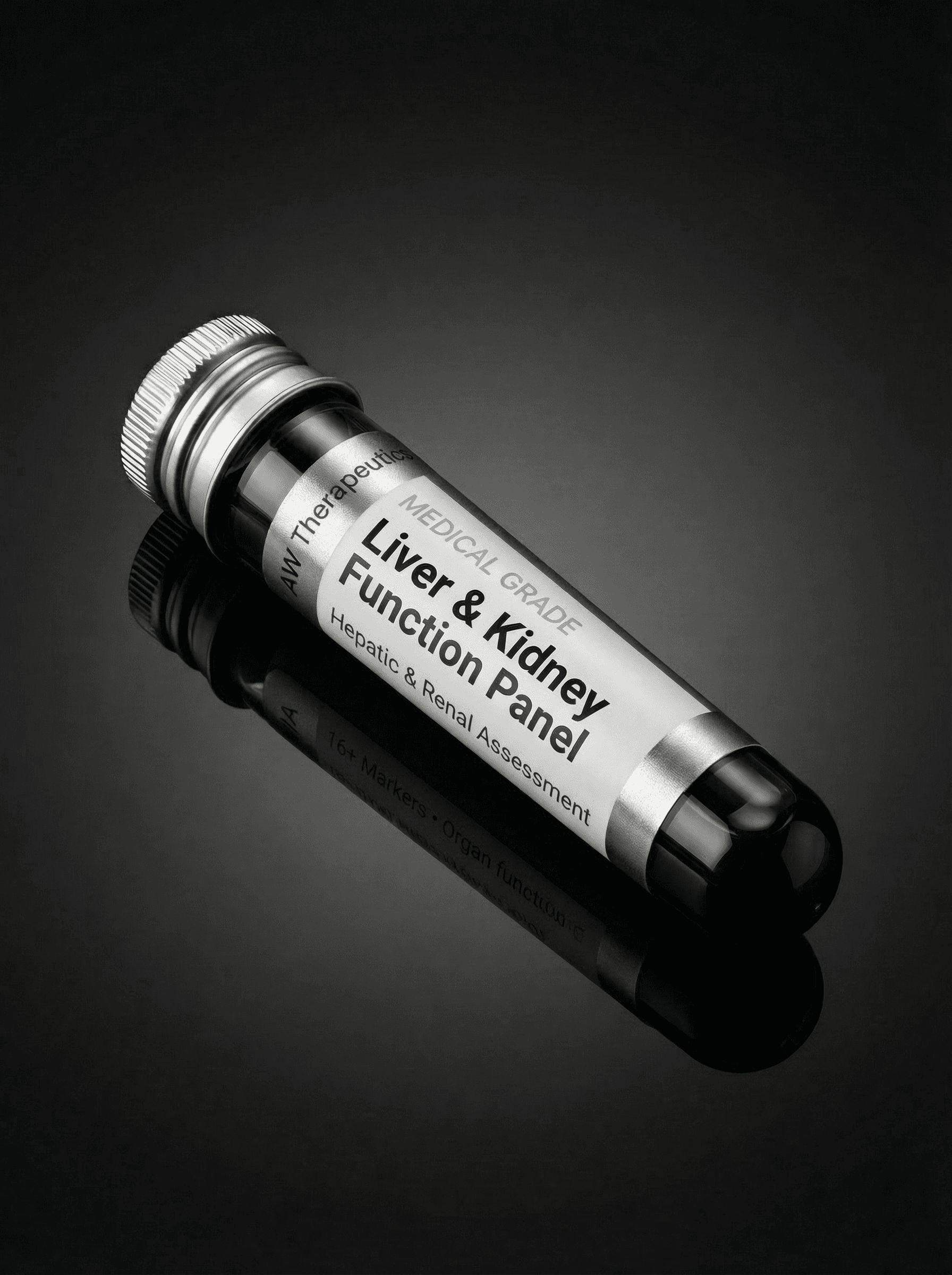
Liver & Kidney Function
- ALT, AST — hepatic enzymes; elevated in liver stress, fatty liver, medication toxicity
- GGT — the most sensitive early marker of hepatobiliary stress
- ALP — alkaline phosphatase; elevated in bone or liver pathology
- Bilirubin (total, direct) — bile metabolism; elevated in liver dysfunction
- BUN, Creatinine — kidney filtration markers
- eGFR — estimated glomerular filtration rate; gold standard for kidney function staging
- Cystatin C — more accurate GFR than creatinine in patients with variable muscle mass
The liver and kidneys have enormous functional reserve. Significant damage can accumulate before standard symptoms appear — routine monitoring catches dysfunction while it's still reversible.
Reading Your Results: Beyond “Normal”
Standard lab reference ranges are statistical: they represent the middle 95% of a tested population. But “normal” is not the same as “optimal.” A Vitamin D level of 31 ng/mL is technically within range, but most functional and integrative practitioners target 50–80 ng/mL for optimal health outcomes.
This distinction matters. Your Americare Wellness provider interprets your results not just against population reference ranges, but within the context of:
- Your personal baseline and year-over-year trends
- Your family history and genetic risk factors
- Your lifestyle — diet, exercise, sleep, stress
- Your clinical goals — performance, longevity, disease prevention
- Optimal functional ranges supported by current clinical evidence
The Interconnected Picture
No biomarker exists in isolation. Insulin resistance drives triglycerides up and HDL down. Chronic cortisol elevation suppresses thyroid conversion. Low Vitamin D impairs immune function and increases inflammatory markers. Iron deficiency causes fatigue that mimics hormonal decline.
Comprehensive testing reveals these connections. It transforms a list of numbers into a systems-level understanding of your health — and that understanding is what enables truly personalized clinical strategy.
Disclaimer
This article is for educational purposes only and does not constitute medical advice. Biomarker interpretation should always be performed by a licensed healthcare provider in the context of your complete clinical picture. Reference ranges and optimal targets may vary based on individual factors. All healthcare decisions should involve your provider.
Want to see what your biomarkers reveal? Explore our comprehensive screening panels.
View Screening Panels →