Why Annual Biomarker Screening Is the Future of Preventive Healthcare
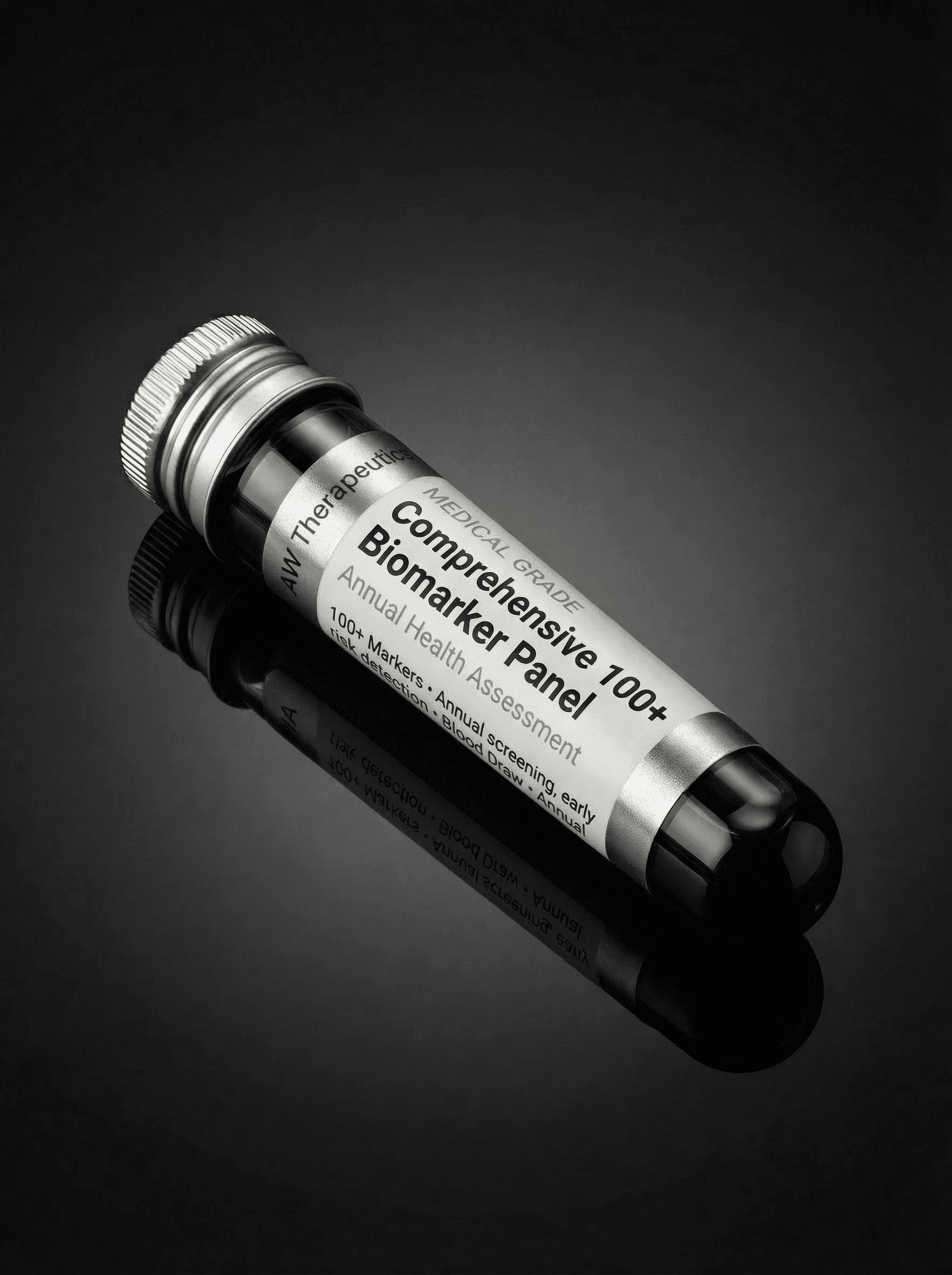
Standard annual labs evaluate roughly 20 markers. A comprehensive panel evaluates 100+. Here's why that gap matters — and how closing it changes health outcomes.
The annual physical is a ritual most of us go through — a blood pressure check, a basic metabolic panel, maybe a lipid screen if your doctor remembers to order one. You get a handful of numbers, a “looks good” or a referral, and you go about your year. But what if those 8–12 data points are only scratching the surface?
The truth is, they are. A standard annual lab panel evaluates a fraction of the biomarkers that modern clinical science can measure — and an even smaller fraction of the ones that actually predict disease years before symptoms appear. Comprehensive biomarker screening changes that equation.
The Problem with Standard Lab Panels
Traditional annual bloodwork was designed for one purpose: detecting disease that already exists. A fasting glucose of 130 mg/dL tells your doctor you have diabetes — but it says nothing about the ten years of rising insulin resistance that preceded it.
Standard panels typically include a basic metabolic panel (8 markers), a CBC (5–7 markers), and maybe a lipid panel (4 markers). That is roughly 20 data points from a system with thousands of measurable analytes. It is the equivalent of diagnosing a car engine by checking the oil level and tire pressure.
~20
Standard Panel Markers
A typical annual physical evaluates roughly 20 biomarkers — the minimum for disease detection.
100+
Comprehensive Panel Markers
A full biomarker screening evaluates over 100 markers — revealing risk patterns years earlier.
5–10 yrs
Early Detection Window
Many chronic diseases show biomarker changes 5–10 years before clinical symptoms develop.
What 100+ Biomarkers Actually Tell You
A comprehensive biomarker panel does not just test more markers for the sake of volume. It evaluates interconnected physiological systems that standard panels ignore entirely:
Metabolic Health
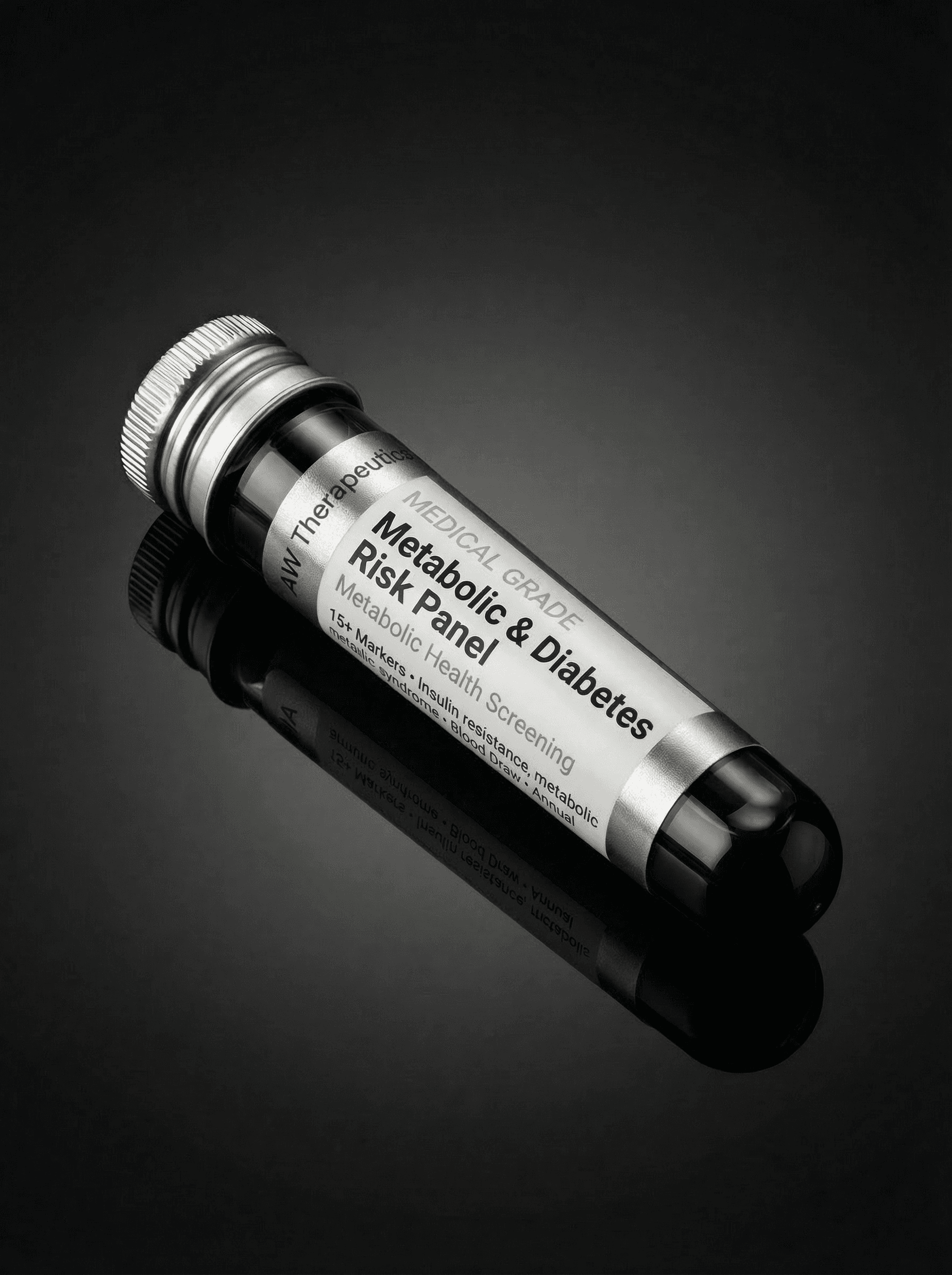
Beyond glucose and HbA1c, advanced metabolic panels measure fasting insulin, HOMA-IR (a direct calculation of insulin resistance), adiponectin, and uric acid. These markers detect metabolic syndrome and pre-diabetes at a stage where lifestyle intervention can reverse trajectory — not just manage it.
Cardiovascular Risk — Beyond Cholesterol
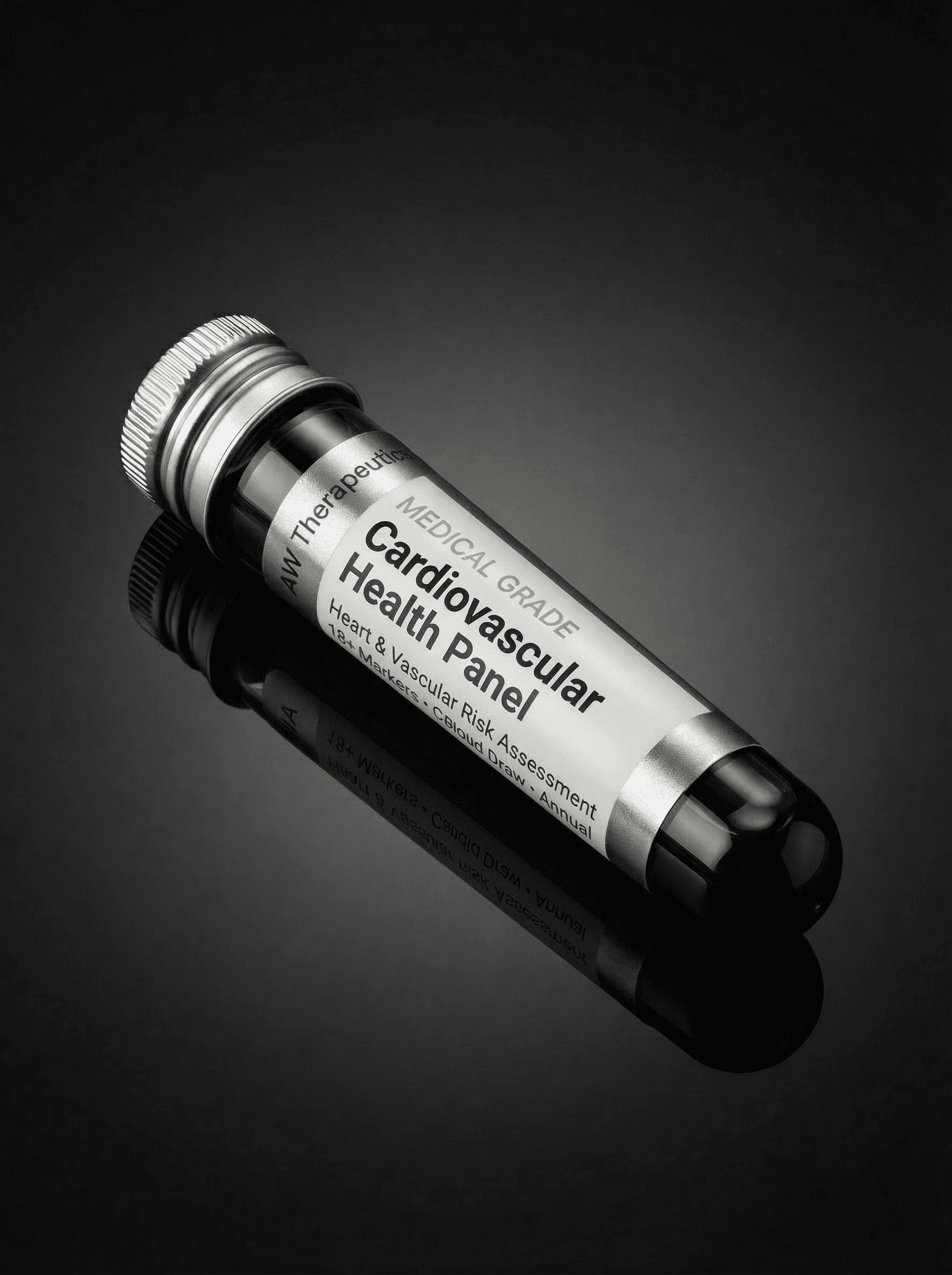
LDL cholesterol alone is a poor predictor of cardiovascular events. Up to 50% of heart attacks occur in people with “normal” LDL. Advanced panels add ApoB (apolipoprotein B), lipoprotein(a), LDL particle number, high-sensitivity CRP, and homocysteine — a fundamentally more accurate risk profile.
Hormonal Balance
Hormones regulate energy, mood, body composition, sleep, and cognitive function. A full hormonal panel evaluates testosterone (total and free), estradiol, DHEA-S, cortisol, SHBG, and reproductive hormones. Hormonal decline is treatable — but only if measured.
Thyroid Function — The Full Axis
TSH alone misses a significant percentage of thyroid dysfunction. The complete thyroid panel adds Free T3, Free T4, Reverse T3, and thyroid antibodies (TPO and thyroglobulin) to detect subclinical hypothyroidism, Hashimoto's, and conversion issues.
Inflammation and Immune Function
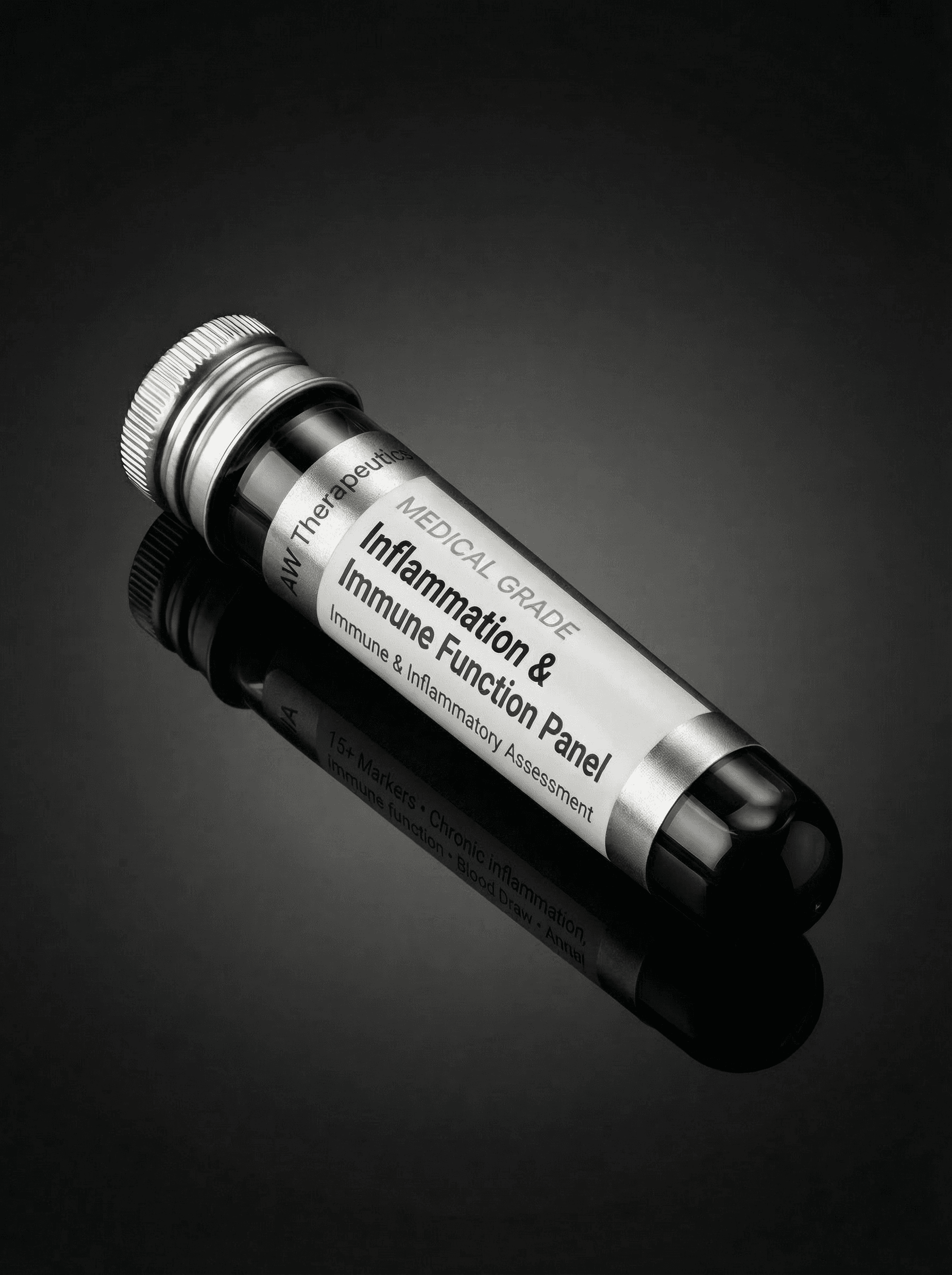
Chronic low-grade inflammation is now recognized as a root driver of cardiovascular disease, neurodegeneration, and metabolic dysfunction. Markers like hsCRP, ESR, ferritin patterns, and immunoglobulin levels quantify your body's inflammatory burden.
Micronutrient Status
Vitamin D deficiency affects over 40% of American adults. B12 deficiency causes neurological symptoms that mimic aging. Magnesium deficiency drives muscle cramps, anxiety, and poor sleep. Standard physicals rarely test any of these comprehensively.
The Power of Longitudinal Data
A single blood test is a snapshot. Annual comprehensive screening creates a longitudinal dataset — your own personal health trajectory. This is where the real clinical value emerges.
A fasting insulin of 12 µIU/mL might be “within range.” But if it was 6 two years ago and 9 last year, the trend line tells a story the single value cannot: insulin resistance is developing. Intervention now — before glucose rises, before HbA1c crosses the diabetic threshold — changes outcomes dramatically.
“The most powerful diagnostic tool in medicine is not any single test — it is the trend line across multiple tests over time.”
This principle applies across every biomarker category: thyroid function, liver enzymes, inflammatory markers, hormonal levels. Trends reveal what snapshots hide.
Insurance Coverage and Accessibility
One of the most common barriers to comprehensive testing is the assumption that insurance will not cover it. In many cases, this is incorrect.
Medically appropriate laboratory testing may be eligible for coverage through your existing health insurance benefits, depending on your individual plan and medical necessity criteria. When a licensed provider orders tests based on clinical indications — family history, symptoms, risk factors, or monitoring of existing conditions — many insurers cover the associated laboratory costs.
Americare Wellness works within these frameworks to ensure that comprehensive testing is accessible, not exclusive. Precision health should not be a luxury — it should be the standard of care.
The Americare Wellness Approach
Data-Driven
100+ biomarkers analyzed per screening, creating a comprehensive dataset that grows more valuable with each annual assessment.
Clinically Integrated
Results interpreted within the full context of your medical history, family history, lifestyle, and clinical goals — never as isolated numbers.
Proactive, Not Reactive
Designed to identify risk patterns and guide intervention before disease develops — transforming routine labs into precision healthcare.
Your health is more than a single lab result. It is a dynamic, evolving picture influenced by genetics, environment, lifestyle, and physiology. Comprehensive biomarker screening is the lens that brings that picture into focus.
Disclaimer
This article is for informational purposes only and does not constitute medical advice. Laboratory testing should be ordered by a licensed healthcare provider based on individual clinical need. Insurance coverage varies by plan and is subject to medical necessity determinations. All clinical decisions should be made in consultation with your provider.
Ready to see what comprehensive biomarker screening can reveal about your health?
Explore Our Screening Panels →